What Are Real Parasites That Can Live Inside the Human Body?
Human history is filled with unwanted guests, but few make themselves quite as comfortable as parasites.
Before fiction gave us alien chestbursters or body-stealing spores, nature had already perfected the art of living inside someone else’s flesh. Parasites are organisms that survive by living on or inside a host, taking nutrients at the host's expense. While body horror movies rely on special effects to make our skin crawl, real-world biology manages to be far more inventive, quiet, and persistent.
Understanding how real human parasites operate reveals that the line between medical reality and horror fiction is uncomfortably thin.
Protozoa vs. Macro-Visible Helminths
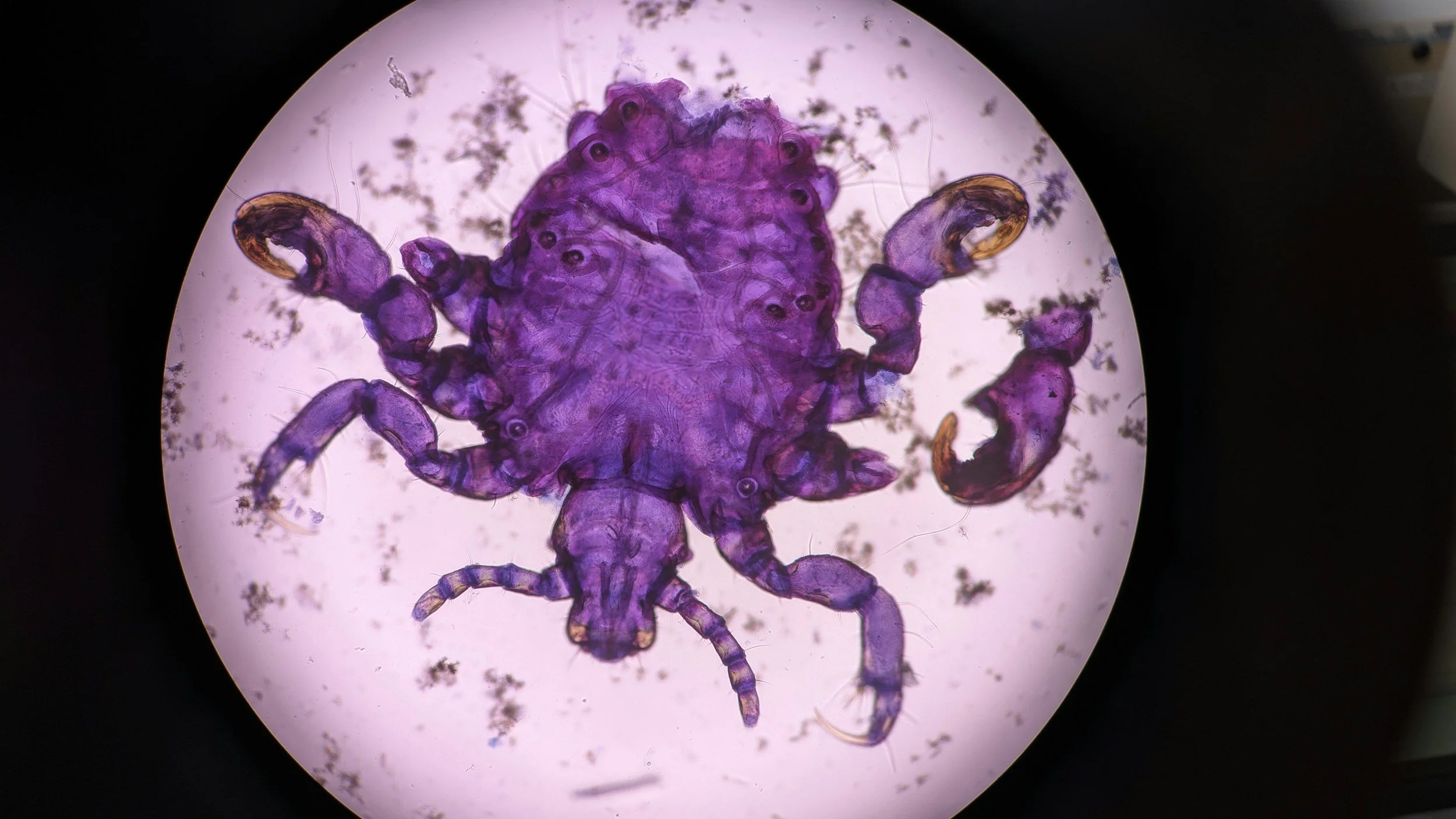
Medical professionals, as well as the Centers for Disease Control and Prevention (CDC), classify parasitic infections based on where the parasite lives and how its body is constructed. Organisms that live on the outer surface of the skin, like lice or ticks, are ectoparasites. Organisms that invade internal organs, tissues, or bloodstream are endoparasites.
Endoparasites fall primarily into two biological categories:
Protozoa: Single-celled, microscopic organisms. Because they are invisible to the naked eye, they multiply rapidly inside the host's cells or body fluids, often remaining undetected until severe symptoms appear.
Helminths: Multi-celled, macro-visible worms. These organisms generally do not multiply inside the human host in adult form; instead, they grow, produce eggs or larvae, and can reach impressive lengths within the digestive tract or muscular tissues.
Both categories demonstrate that whether an intruder is a single microscopic cell or a multi-foot tapeworm, the human body is a surprisingly fragile container.That is why real diseases can be extremely scary and can sometimes seem like they are the work of fiction.
Puppeteers of the Brain: Mind Control and Toxoplasma gondii
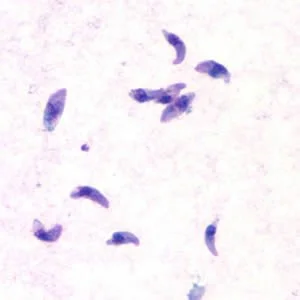
A view of Toxoplasmosis underneath a microscope
Few concepts in psychological horror are as deeply unnerving as the loss of personal agency. We like to believe our choices, risks, and moods belong entirely to us. Neuroparasitology, the study of parasites that manipulate the host's central nervous system, suggests otherwise.
The single-celled protozoan Toxoplasma gondii is famous for host manipulation. Its primary reproduction occurs exclusively inside the intestines of felines. When T. gondii infects an intermediate host, such as a rat, it forms microscopic tissue cysts in the brain. The parasite alters local dopamine regulation and dampens fear responses in the amygdala, making the rodent unnaturally curious about the scent of cats. The cat eats the rat, and the parasite’s life cycle continues.
In humans, T. gondii causes an infection called toxoplasmosis. While usually latent or mild in healthy individuals, neurological research suggests chronic exposure may correlate with subtle behavioral changes, increased impulsivity, or altered risk perception. When writers construct slow-burn horror stories about characters slowly losing control over their thoughts, T. gondii provides the real biological proof that an unseen organism can alter host behavior from within.
The Visceral Dread of Ocular Parasites
Ocular horror works because vision is our primary way of navigating the world. When a parasite invades the eye, it attacks both bodily integrity and sensory awareness.
The parasitic nematode Loa loa (the African eye worm) is transmitted to humans through the bite of deerflies. The larvae enter the subcutaneous tissue, growing into adult worms that travel continuously through human flesh.
Patients often experience a creeping, squirming sensation under the skin. The horror becomes literal when an adult worm, sometimes up to two inches long, migrates across the conjunctiva, the clear membrane covering the eyeball. Medical extraction involves localized anesthesia and a small incision to retrieve the live worm while the patient remains fully awake.
A different sensory nightmare comes from myiasis, the infection of living tissue by fly larvae. The human botfly (Dermatobia hominis) uses mosquitoes to drop its eggs onto human skin. Body heat triggers the eggs to hatch, and the larva burrows into the subcutaneous flesh.
To remain anchored, the botfly maggot features rings of backward-pointing microscopic spines along its body. As the larva grows, the host feels it moving and feeding, accompanied by audible clicking or squelching sounds coming from inside their own tissue. Attempting to pull the larva out without properly smothering its breathing pore causes the spines to grip harder, risking tissue damage if the organism tears during extraction.
Silent Colonizers: Taenia solium and Naegleria fowleri
Some internal parasites grow to incredible sizes, while others act with swift, lethal precision.
The pork tapeworm (Taenia solium) can live inside the human intestine for years without causing obvious distress, absorbing nutrients and growing up to 20 feet long. However, if a human ingests the microscopic eggs directly rather than encysted larvae, the lifecycle breaks down.
The eggs hatch in the stomach, and larval oncospheres penetrate the intestinal wall, traveling through the bloodstream to muscles, eyes, and the central nervous system. This condition, known as neurocysticercosis, results in larval cysts forming inside brain tissue. Over time, as the immune system detects these dying cysts, severe inflammation triggers seizures, neurological deficits, and hydrocephalus.
At the opposite end of the spectrum is Naegleria fowleri, commonly known as the "brain-eating amoeba." Found in warm freshwater lakes and rivers, this microscopic organism enters the body when water is forced high up the nasal passage.
Naegleria fowleri breaches the nasal mucosa, penetrates the porous cribriform plate at the base of the skull, and travels directly along the olfactory nerve into the brain. Once inside, the amoeba secretes enzymes that consume neural tissue, causing Primary Amoebic
Meningoencephalitis (PAM). The disease progresses rapidly from initial headaches and fever to hallucinations, seizures, and coma. Because symptoms appear only after substantial brain tissue has been destroyed, the infection carries a mortality rate above 97%.
Delusional Parasitosis and Formication
The horror of infestation is so powerful that the mind can manifest it even when no parasite exists.
Delusional parasitosis (also known as Ekbom syndrome) is a psychiatric condition where an individual holds an unshakable belief that they are infested with bugs, worms, or hidden organisms. Patients often experience formication, a tactile hallucination that feels exactly like insects crawling on, under, or inside the skin.
These phantom sensations feel so real that individuals may engage in extreme skin-picking, use harsh chemicals, or perform self-directed surgical extractions to remove non-existent invaders. In psychological horror, this gray area creates intense narrative tension: the terrifying ambiguity of whether the threat exists under the flesh or entirely within the mind.
Parasites vs. Parasitoids: The Blueprint for Body Horror
When writers design fictional monsters, they often blur the line between true parasites and parasitoids.
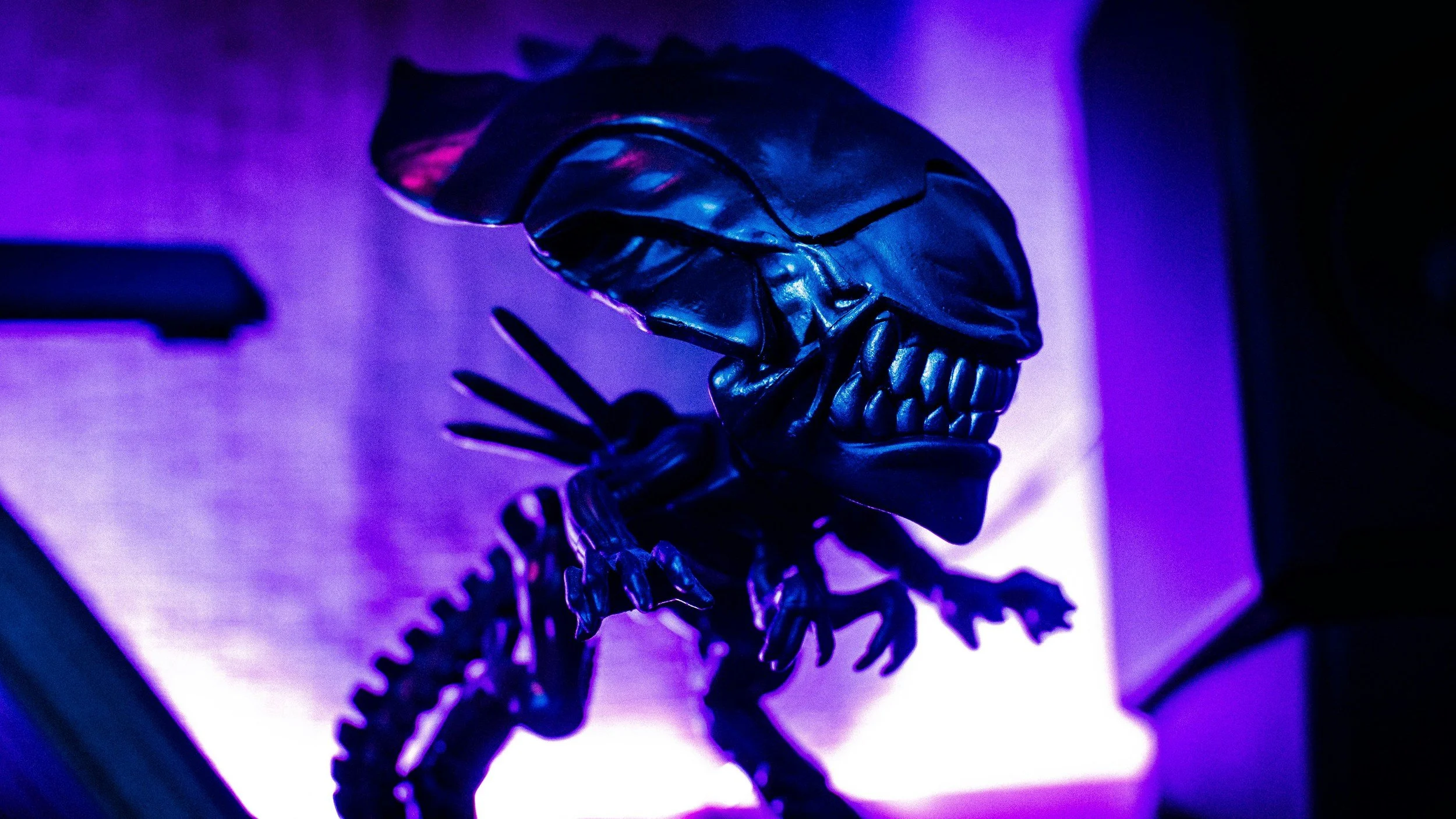
A shot of a Xenomorph from the Aliens film series
True Parasites: Evolve to keep their hosts alive as long as possible. Killing the host destroys their food supply and home.
Parasitoids: Evolve to use the host as an initial incubator and food source, ultimately destroying or killing the host upon maturity.
In nature, parasitoid wasps paralyze caterpillars or spiders, lay eggs inside their living bodies, and allow their larvae to consume the host from the inside out before chewing their way through the skin.
This exact biological strategy inspired the iconic Xenomorph lifecycle in Alien (1979). Fictional body horror draws its power not from wild fantasy, but by translating real, highly successful evolutionary survival strategies into human nightmares.
Whether it is a microscopic amoeba breaching the skull or a tapeworm lying dormant for decades, real parasites remind us that our bodies are complex ecosystems, and we are not always the only ones living inside them.
Life and death is a cycle and the introduction of parasites to the natural order makes sense. The death process may look horrifying, but it is simplistic in its form and parasites are often the star attraction.
READ MORE MEDICAL HORROR ENCYCLOPEDIA ENTRIES